House draft bill would freeze every state AI law for three years
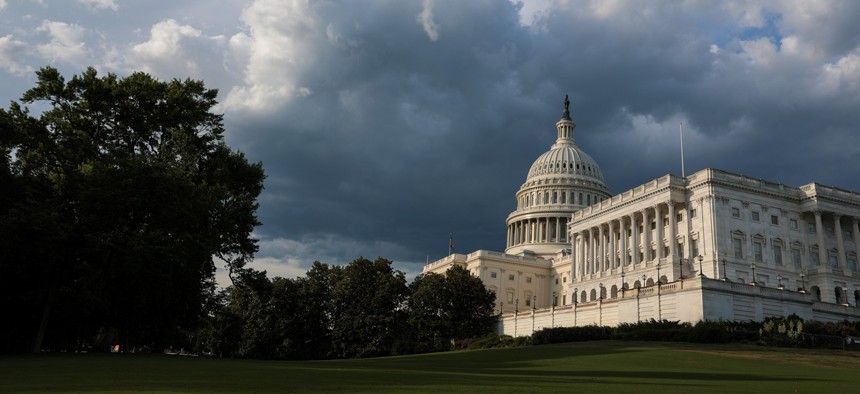
A bipartisan House draft released on June 4 would do something Washington has avoided for the entire generative-AI boom: take a single federal position on how to govern frontier models, and tell every state to stand down for three years while it does. The 269-page text, called The Great American Artificial Intelligence Act, is sponsored by Reps. Jay Obernolte (R-Calif.) and Lori Trahan (D-Mass.), with four co-sponsors from both parties. It is the first AI bill in this Congress with a real chance of moving.
What the bill actually does
The headline provision is the three-year preemption of state laws "specifically regulating the development" of an AI model. That covers California's AB 2013, which requires generative-AI companies to publish summaries of what they trained on, and the watermarking parts of SB 942. Frontier-safety bills already on the books in California, New York, and Illinois are frozen too. Preemption stops at the model boundary: states can still regulate how AI is used — in hiring, in policing, in deepfakes — but not what the labs are allowed to build.
In return, the federal government gets a heavier hand. Any company defined as a "large frontier developer" — the draft uses a $500 million gross-revenue threshold — has to file safety incident reports to the Commerce Department within 15 days, or within 24 hours if the incident counts as an "imminent risk." Catastrophic risk is defined concretely: a single event that kills or seriously injures 50 or more people, or causes more than $1 billion in property damage. Violations carry penalties of up to $1 million per day. The Center for AI Standards and Innovation (CAISI), the renamed AI Safety Institute, gets statutory footing inside Commerce and $100 million per year through fiscal 2029.
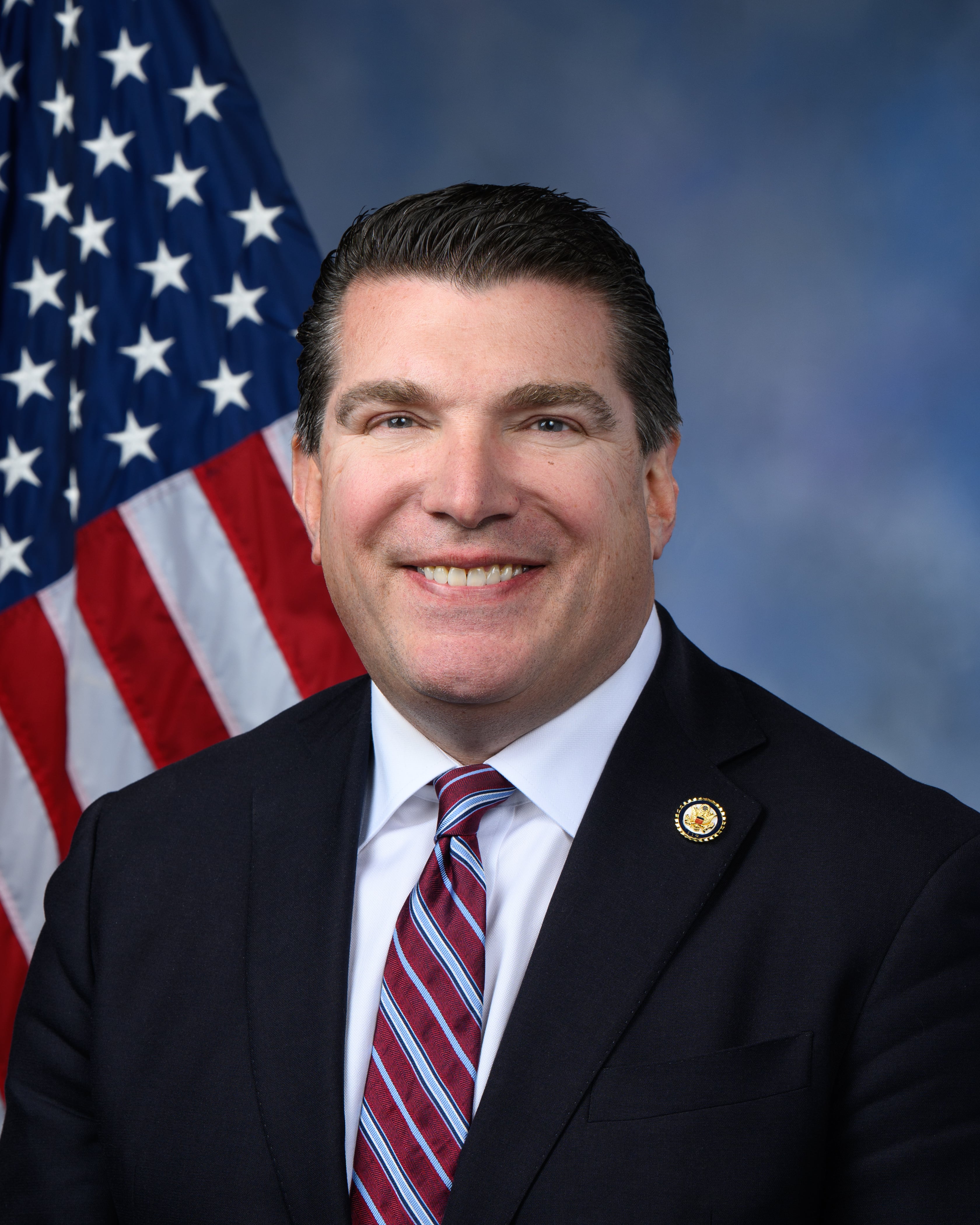
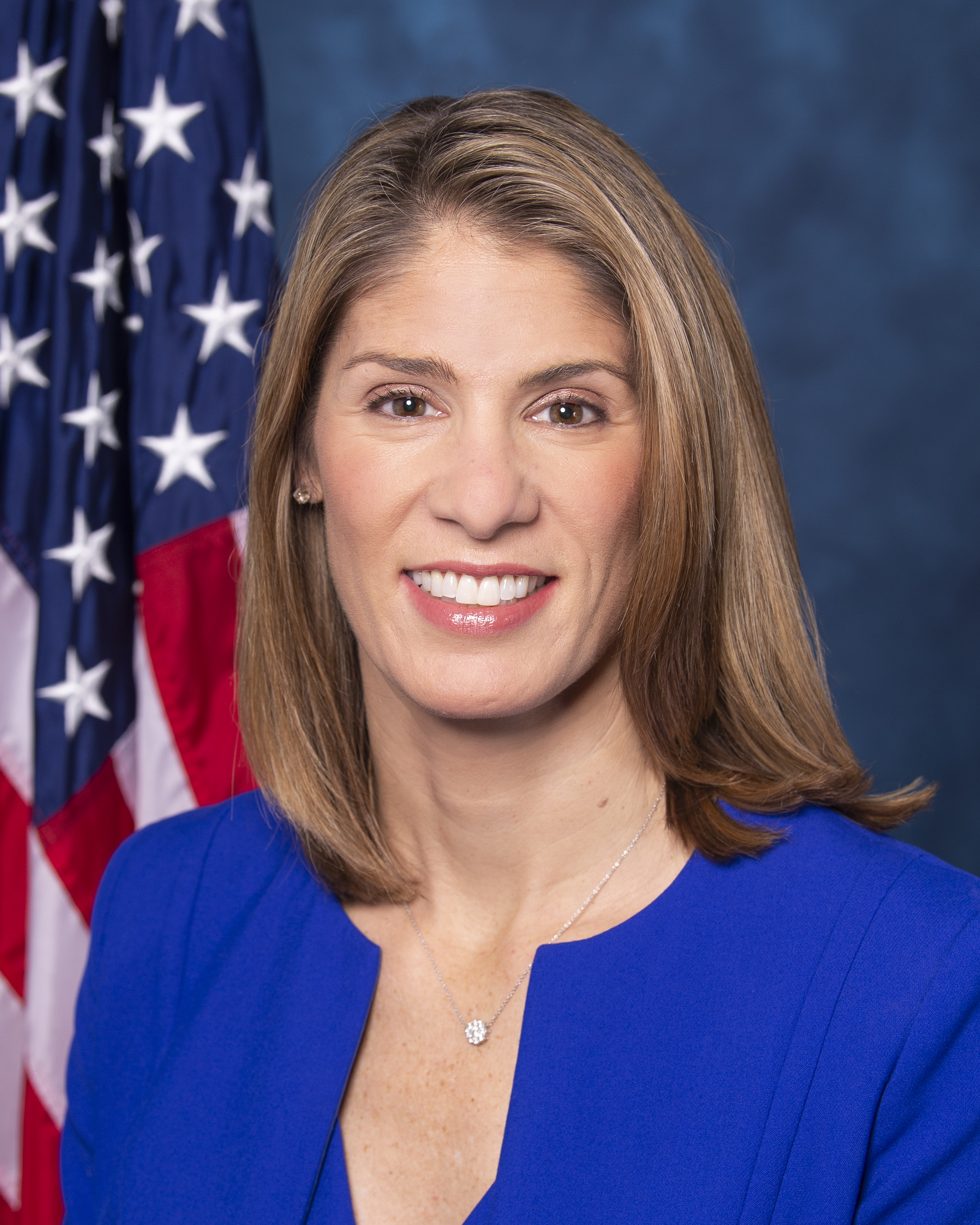
Obernolte, who holds a master's degree in AI from UCLA and is one of the few members of Congress who can read a model card unaided, framed the draft as the federal alternative to a 50-state patchwork: "Congress must take a thoughtful and bipartisan approach." Trahan, the lead Democrat, gave the safety pitch in one line: "The threats AI poses to our national security, our safety, and our workforce are here." The framing is deliberate. The bill arrives days after President Trump's executive order setting up voluntary federal reviews of frontier models, and the sponsors want this to be the binding version of that idea — not a replacement for state action, but the only version of federal action that exists.
Why it matters
Until now, the real AI rulebook in the United States has been written in Sacramento. California's AB 2013 takes effect this year; SB 942 covers AI-generated content disclosure; the new frontier-safety statute that finally passed after the SB 1047 fight is the closest thing the country has to a binding labs-side regulation. A three-year freeze on the development half of that stack would not erase those laws, but it would suspend enforcement on the part that actually constrains how Anthropic, OpenAI, Google, and Meta train and ship models. For the labs, that is the entire point.
The strongest objection is not from the safety wing but from the AI-policy reformers who originally backed federal action. Brad Carson, president of Americans for Responsible Innovation and a former Democratic congressman, called the preemption clause a "generational mistake" and said the bill "takes the current floor on state AI legislation and turns it into a federal ceiling." Brendan Steinhauser of the Alliance for Secure AI praised the bipartisanship but said the draft "falls short of the framework necessary to keep Americans safe from the dangers of advanced AI." Industry, predictably, is cheerier: the Information Technology Industry Council endorsed the codification of CAISI and the international-standards work in a same-day statement.
There is a more subtle worry buried in the structure. CAISI's reporting regime depends on labs self-classifying their own systems as frontier and self-defining catastrophic-risk thresholds, with independent auditors checking the homework. If the threshold is set too high, the regime mostly catches incidents that were going to be public anyway. If the auditor market stays thin, the audits are checked by the people they audit. Either failure mode looks fine on paper and produces a regulator that mostly issues press releases.
What to watch
The draft is a discussion draft, not introduced legislation — the sponsors are explicitly soliciting comment from labs, state attorneys general, and civil-society groups before formal markup. The first real signal is whether California Attorney General Rob Bonta and Governor Gavin Newsom come out publicly against the preemption clause; if they do, the bill's path through the House Energy and Commerce Committee gets longer. Watch also for whether Senate Commerce produces a companion text. Without one, the House version is mostly a marker — but with one, the three-year freeze is suddenly real.
Sources
- Bipartisan AI draft proposes three-year preemption of state laws — Roll Call
- Lawmakers propose AI framework that would preempt state laws for 3 years — Nextgov/FCW
- Bipartisan 'Great American AI Act' draft proposes new federal AI governance framework — FedScoop
- ITI Reacts to the Great American AI Act — Information Technology Industry Council