US and Iran near a Hormuz deal as new strikes land
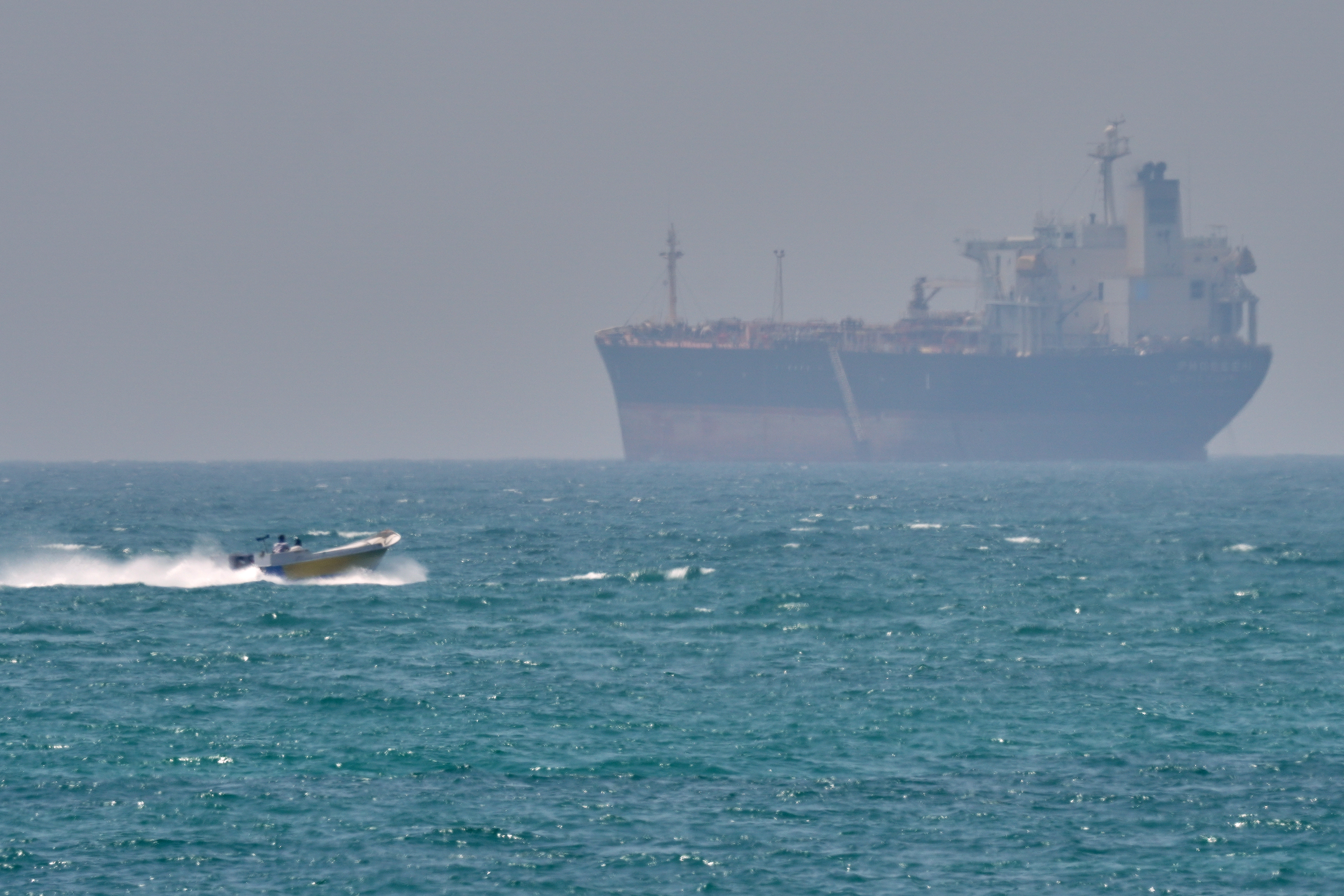
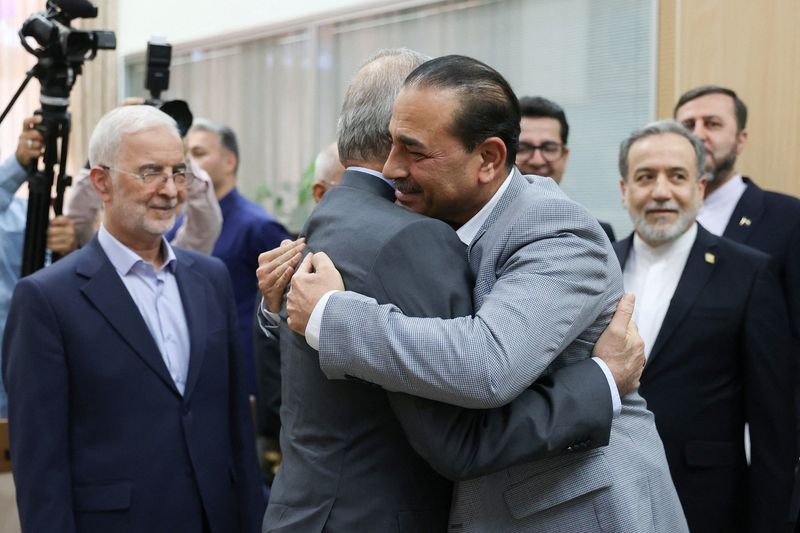
Iran's parliament speaker Mohammad Bagher Qalibaf landed in Doha on Monday with foreign minister Abbas Araghchi for Qatari-mediated talks on a one-page memorandum that would, in principle, end the three-month war with the United States, lift the US blockade of Iranian ports, and reopen the Strait of Hormuz — the narrow chokepoint off Iran's coast that normally carries about a fifth of the world's oil. Hours later, US Central Command said it struck two Iranian Revolutionary Guard Corps speedboats — the IRGC, Iran's elite military force — that were laying naval mines in the strait, plus a surface-to-air missile site in Bandar Abbas. Brent crude, the global oil benchmark, touched $100 a barrel again on Tuesday morning.
What's in the memo
The 14-point text being shopped by Trump envoys Steve Witkoff and Jared Kushner is closer to a framework than a peace treaty. It would declare the war over, open a roughly 30-day window to negotiate the detailed agreement, and lock Iran into a uranium enrichment moratorium — a temporary halt on producing the nuclear fuel that, at high purity, is used to build a bomb. Iran proposed five years; the US demanded twenty; the current draft sits between 12 and 15. After expiration, Iran could enrich back to 3.67% — far below weapons-grade and the cap of the 2015 nuclear deal. Any violation would automatically extend the freeze. UN inspectors would gain "snap-check" authority — the right to show up at any declared site on short notice — and the deal would explicitly ban underground enrichment plants and weapons work.
Sanctions and frozen assets — billions held in foreign banks since the Trump-era "maximum pressure" campaign — would be released gradually over the negotiating window, in step with Iran lifting shipping restrictions and the US lifting its naval blockade. Both sides describe this as the closest they have come since February 28, when joint US-Israeli airstrikes opened the war and Iran's supreme leader Ali Khamenei was assassinated. Iran's foreign ministry spokesman Esmail Baghaei publicly contradicted the framing on Monday, saying the talks were "centered on ending aggression" only, with nuclear and Hormuz issues left out — likely a message to hard-liners at home, since the leaked draft clearly includes both.
Why it matters
If the memorandum holds, oil should fall fast. Brent is up more than 50% since the war began. Tanker insurance in London has largely dried up, replaced by a quieter market that asks fewer questions about IRGC clearance — and the IRGC says it now coordinates every passing ship through its new Persian Gulf Strait Authority. A reopening would also restore more than 14 million barrels a day of oil traffic the conflict has displaced, the largest single shipping disruption since the 1973 oil shock.
The bigger story is the broker list. Qatar is mediating, but Pakistan's army chief Asim Munir has emerged as the indispensable shuttle diplomat: he met President Masoud Pezeshkian in Tehran on Saturday and led the Pakistani backchannel that produced the 14-point text. A US-Iran deal landing through Islamabad — instead of the usual Geneva or Vienna venues for Iran diplomacy — would mark a real shift in who gets to broker the Middle East, and would hand Munir a regional standing his predecessors spent decades chasing.
What to watch
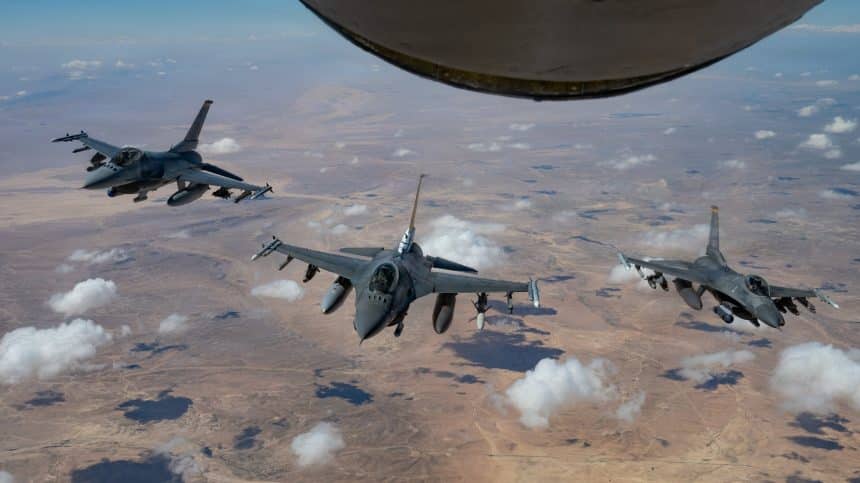
Two signals matter in the next week. First, whether the IRGC follows through on its claim that it shot down a US MQ-9 Reaper, the unmanned surveillance drone the Pentagon flies over the Gulf — Tehran has made the claim but produced no debris photos. A confirmed downing would force a Trump response that almost certainly kills the memo. Second, the announcement Trump teased for "shortly": if signing slips past June 1, the working assumption inside the State Department is that the nuclear language has come apart again.
Sources
- Iran International — Iran, US edge toward deal to end war and reopen Hormuz
- Axios — US, Iran closing in on one-page memo to end war
- PBS NewsHour — Trump says Iran deal "largely negotiated"
- The Aviationist — US launches "defensive strikes" in Iran
- Time — Oil prices rise as fresh US strikes hit Iran
- Al Jazeera — Iran says it coordinated 26 vessels through Hormuz
- Al Jazeera — Oil prices jump as US, Iran trade fire in Hormuz
- Press TV — Qalibaf, Araghchi in Qatar amid talks to end war