Russia hits Ukraine with 656 drones and 73 missiles overnight
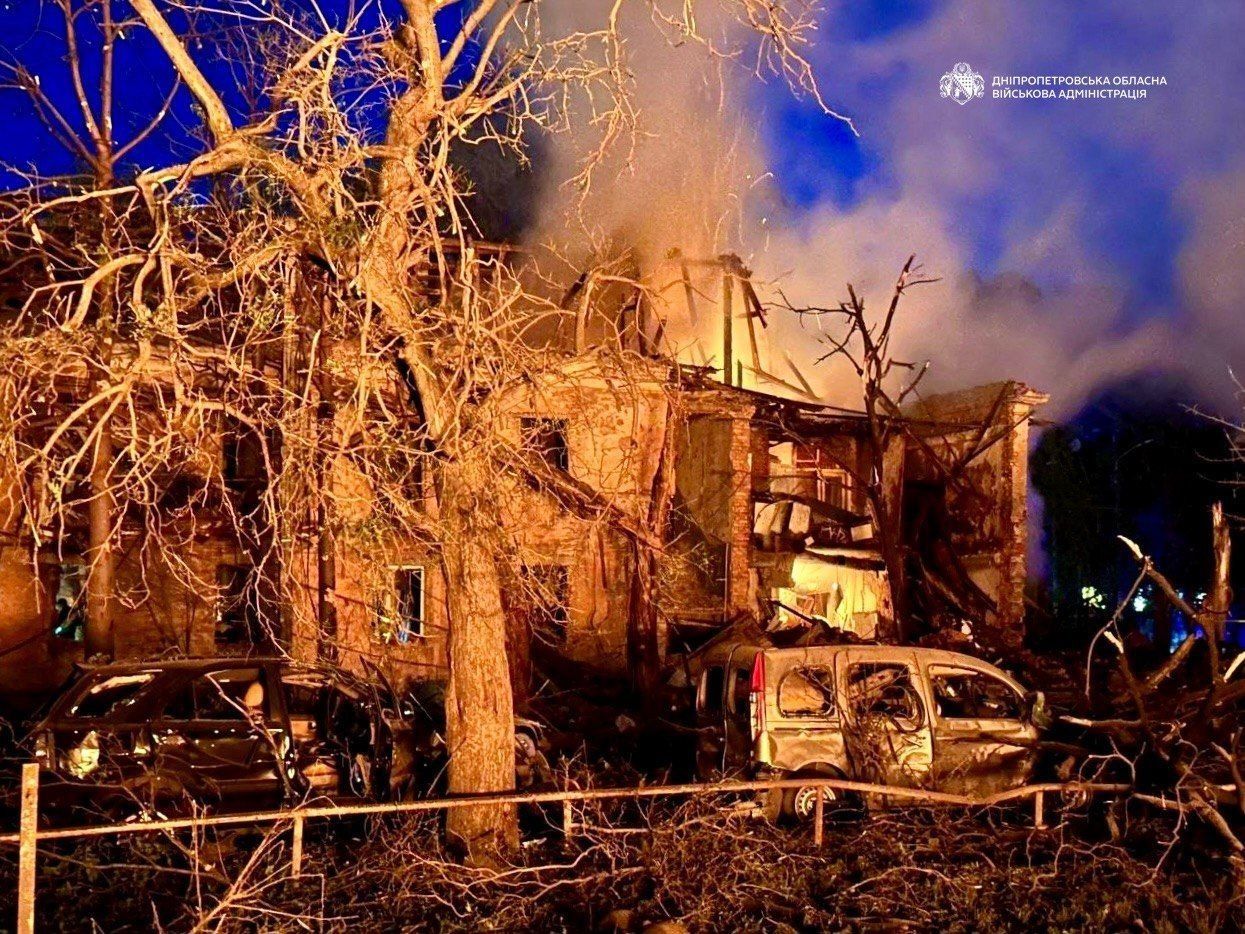
Russia launched its biggest combined drone-and-missile salvo of the war late Monday into Tuesday, sending 656 attack drones and 73 missiles at Kyiv, Dnipro, Kharkiv, Zaporizhzhia, and Poltava. At least 20 people were killed and more than 100 injured. The worst damage was in Dnipro, where a four-story apartment building was effectively leveled, and in Kyiv's Podilskyi district, where a Russian strike collapsed parts of a nine-story residential block.
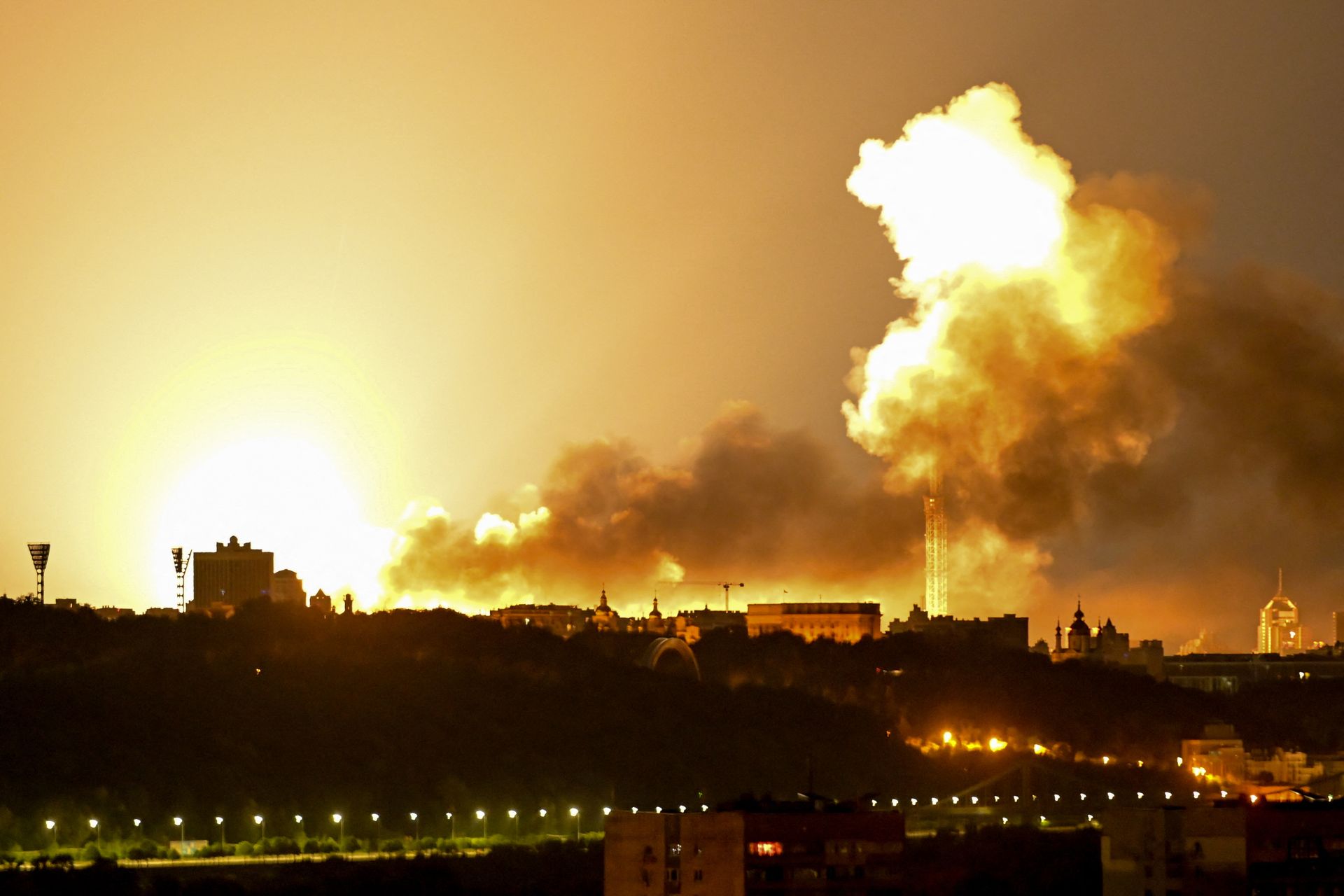
The barrage
Ukraine's air force broke down the missile mix: 33 Iskander-M ballistic, 27 Kh-101 cruise, 5 Kalibr cruise, and 8 Zircon anti-ship hypersonics. The Zircon count is the striking number. Eight of the Mach-9 sea-skimmers in a single night is the largest known use of the weapon in the war so far. Drones came in layered waves of Iranian-designed Shahed strike models plus Russian Gerbera, Italmas, Banderol, and Parody decoys built to saturate radar and bait interceptors. Air defenders downed or jammed 602 of the 656 drones and 40 of the 73 missiles, according to the air force tally. The success rate is roughly 92% on drones and 55% on missiles, but the math still means more than 80 weapons reached their targets.
In Kyiv, Mayor Vitali Klitschko said four medical facilities were among the damaged sites; high-rises in the Solomianskyi district lost windows and façades. The State Emergency Service reported a "double-tap" strike on a Soviet-era nine-story block in Podilskyi, with crews still digging for trapped residents on Tuesday afternoon. In Dnipro, where 15 of the night's deaths occurred (including two children and a first responder killed en route to a call), regional authorities said 49 residential buildings were damaged across the city, seven of them destroyed.
Why it matters
This is Russia's second record-breaking single-night attack in a month, and it points to a new phase of the air campaign. Mixing cheap decoys with hypersonics is meant to exhaust Ukrainian air defenses by forcing interceptors at the decoys so the real threats slip through. Eight Zircons in one night signals Moscow is prepared to burn its most expensive long-range munitions, normally husbanded for naval targets, to land warheads on Kyiv. For Ukraine, the bottleneck is interceptors. Patriots and IRIS-T missiles are produced in modest monthly volumes globally, while Russia is now firing missiles by the dozen and drones by the hundred.

The political timing is pointed. Trump-brokered talks on a 60-day Iran ceasefire and Strait of Hormuz reopening are in the final stretch, and Zelensky's chief of staff Kyrylo Budanov told reporters this week that a deal to end the Ukraine war by winter was a "realistic" outcome with a U.S. delegation expected in Moscow and Kyiv soon. Foreign Minister Andriy Sybiha responded to the strikes by posting that "Moscow is losing on the battlefield. No number of missiles can change this." The diplomatic frame matters less than what the Kremlin appears to be signaling: any negotiation will start from a position of escalation, not exhaustion.
What to watch
The next near-term signal is the Israel–Lebanon ceasefire talks in Washington on Wednesday; if those slip, the White House's bandwidth for Ukraine pressure narrows. On the battlefield, watch whether the U.S. resumes Patriot interceptor shipments paused under a Pentagon review in May. Without them, the cost-exchange ratio shifts further in Russia's favor. Zelensky has been pushing allies for fresh long-range strike permissions against Russian missile and drone factories. Whether Berlin and Washington loosen those rules in response to Tuesday's death toll will tell us how much one night changed minds.
Sources