US Downs Iranian Drones at Hormuz, Strikes Radar Sites
US Central Command said its forces shot down four Iranian one-way attack drones launched toward the Strait of Hormuz on Friday, then struck Iranian coastal surveillance radar sites at Goruk and on Qeshm Island. Within hours, Iran's Revolutionary Guard fired seven ballistic missiles at Kuwait and Bahrain. Six were intercepted; the seventh, CENTCOM said, "did not reach its intended target." The exchange comes two months into a fragile April 8 ceasefire and days after Tehran and Washington publicly said a 60-day extension was within reach.

What happened
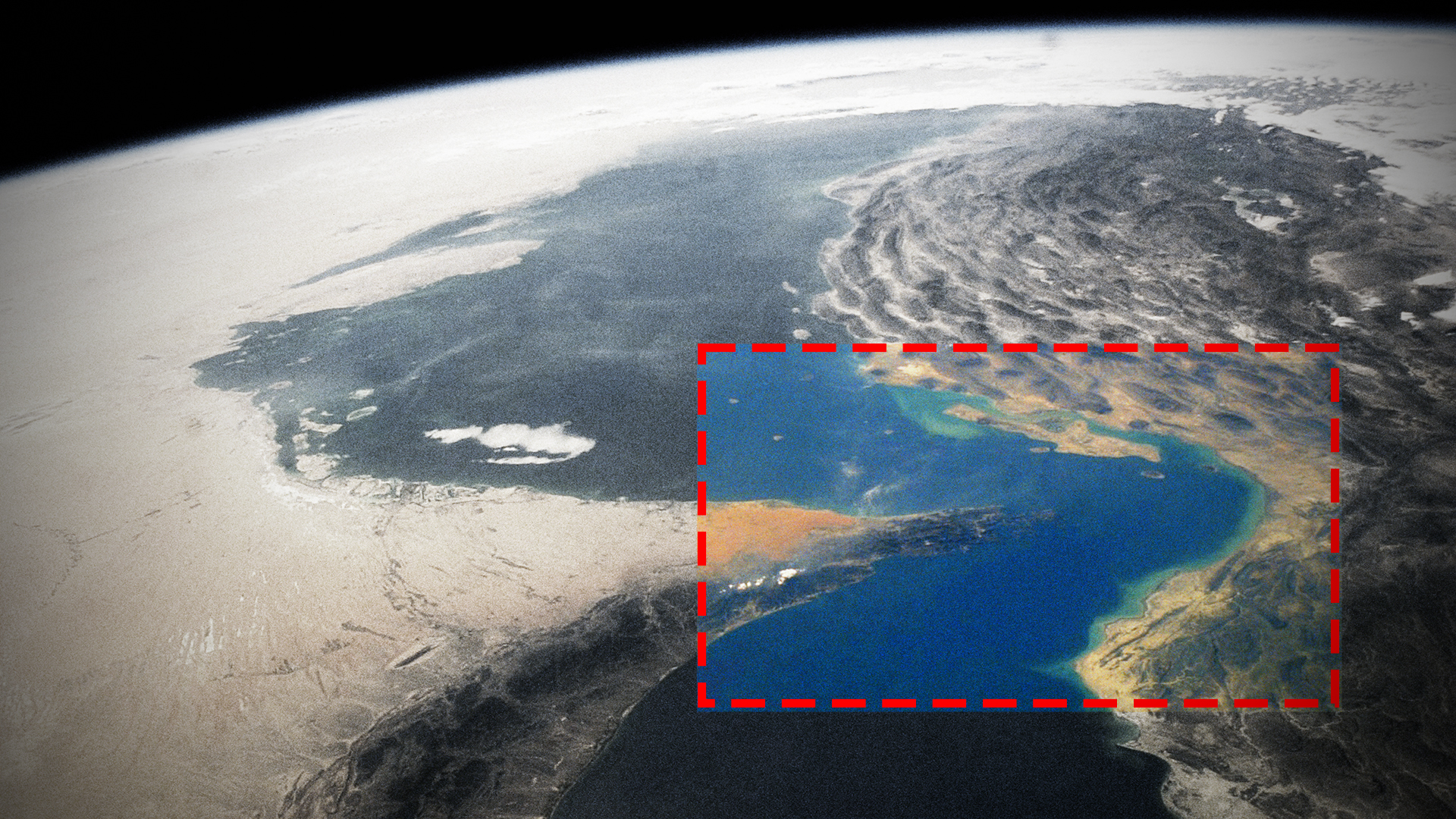
CENTCOM's account is short and chronological. Four Iranian drones launched at the strait. US forces shot all four down, then hit two Iranian coastal sites: a radar installation at Goruk in Hormozgan province, and a second on Qeshm Island, which sits inside the strait itself and houses much of the Islamic Revolutionary Guard Corps' coastal missile and drone command. The stated rationale was "to defend against further attacks."
Iran's retaliation came within hours: seven ballistic missiles toward Kuwait and Bahrain, the latter home to the US Fifth Fleet headquarters. US and partner air defenses intercepted six; one fell short. The IRGC claimed it had hit the Fifth Fleet base. CENTCOM called the claim false. No US casualties were reported.
This is not the only flare-up of the week. On Wednesday, an Iranian drone slipped through air defenses and struck Kuwait's main airport, killing one Indian national and damaging a terminal. The drone shootdowns continued on Saturday: two more Iranian drones over the strait, both downed.
Why it matters
The Strait of Hormuz is the world's most consequential chokepoint for oil. Even after months of disruption, roughly 20% of global petroleum liquids consumption and a fifth of seaborne LNG flowed through it before the crisis began. Each new exchange of fire raises the insurance bill on tankers and the political pressure on Gulf shippers to reroute or pause.
It also widens the credibility gap on the ceasefire. The April 8 framework was supposed to halt direct US–Iran kinetic exchanges and reopen indirect nuclear talks via mediators. Tehran already suspended those talks earlier this week over Israel's expanding offensive in southern Lebanon. Friday's radar-site strikes give it a second reason to stay away from the table. Foreign Minister Abbas Araghchi has argued that any Lebanon escalation is, by Iran's reading, a violation "on all fronts."
The math on the table has not shifted. Washington wants Iran's enriched uranium stockpile constrained and verifiable; Iran wants sanctions lifted and access to roughly $24 billion in frozen assets. Washington has floated using confiscated Iranian funds to compensate Gulf allies for war damage. Tehran has flatly rejected that.
The strongest counter-read is that this is the pattern, not a break from it. The April ceasefire has always been more pause than peace; Iran has continued to harass shipping, the US has continued to strike Iranian air defenses, and neither side has walked away from the table. The ceasefire is fraying because it was always thin, not because it just snapped.
What to watch
Three near-term signals will tell you whether this is a contained exchange or the start of a real break.
First, Brent. If front-month prices punch back above the April highs near $118 a barrel, tanker insurers are pricing in a longer outage at Hormuz rather than a one-off flare.
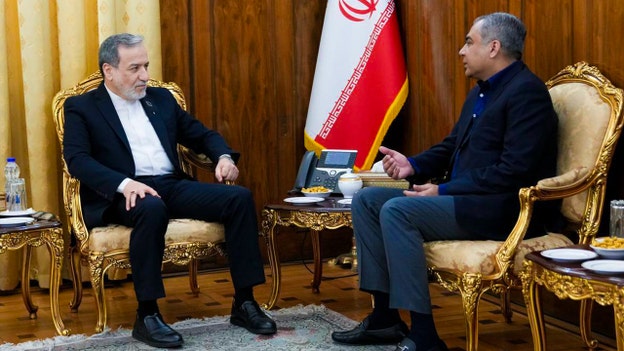
Second, the Pakistani back channel. Islamabad's interior minister Mohsin Naqvi met Araghchi in Tehran this week carrying what Iran called a "special and important message" from Pakistan's leadership. If that channel produces a new ceasefire date, the strikes were posturing. If it goes quiet, they weren't.
Third, the IRGC's threat to "completely close" the strait. Tehran has threatened this for months and so far has only harassed traffic. A real attempt — mines in the channel, sustained anti-ship missile fire, boarding civilian tankers en masse — would push the conflict from a managed standoff into open economic warfare.
Sources
- CENTCOM official release — U.S., Partner Forces Defend Against Aggressive Iranian Behavior
- US military shoots down 4 Iranian drones heading toward Strait of Hormuz (The Hill)
- US shoots down Iranian drones threatening Hormuz amid fragile diplomacy (The National)
- US Forces Hit Iranian Coastal Sites After Tehran Launches Drones Toward Strait (RFE/RL)
- US strikes Iran radar sites after drones near Hormuz (Fox News)
- Iran halts talks with U.S. over Israeli actions in Lebanon, Gaza (NPR)
- Strait of Hormuz oil chokepoint (EIA)